2027 DV Lottery: Who's Eligible, Odds & Hidden Costs
Learn which nations can still submit a Diversity Visa entry for 2027 and the real odds they face. Most guides miss the regional caps and the fees that appear after the lottery draw.
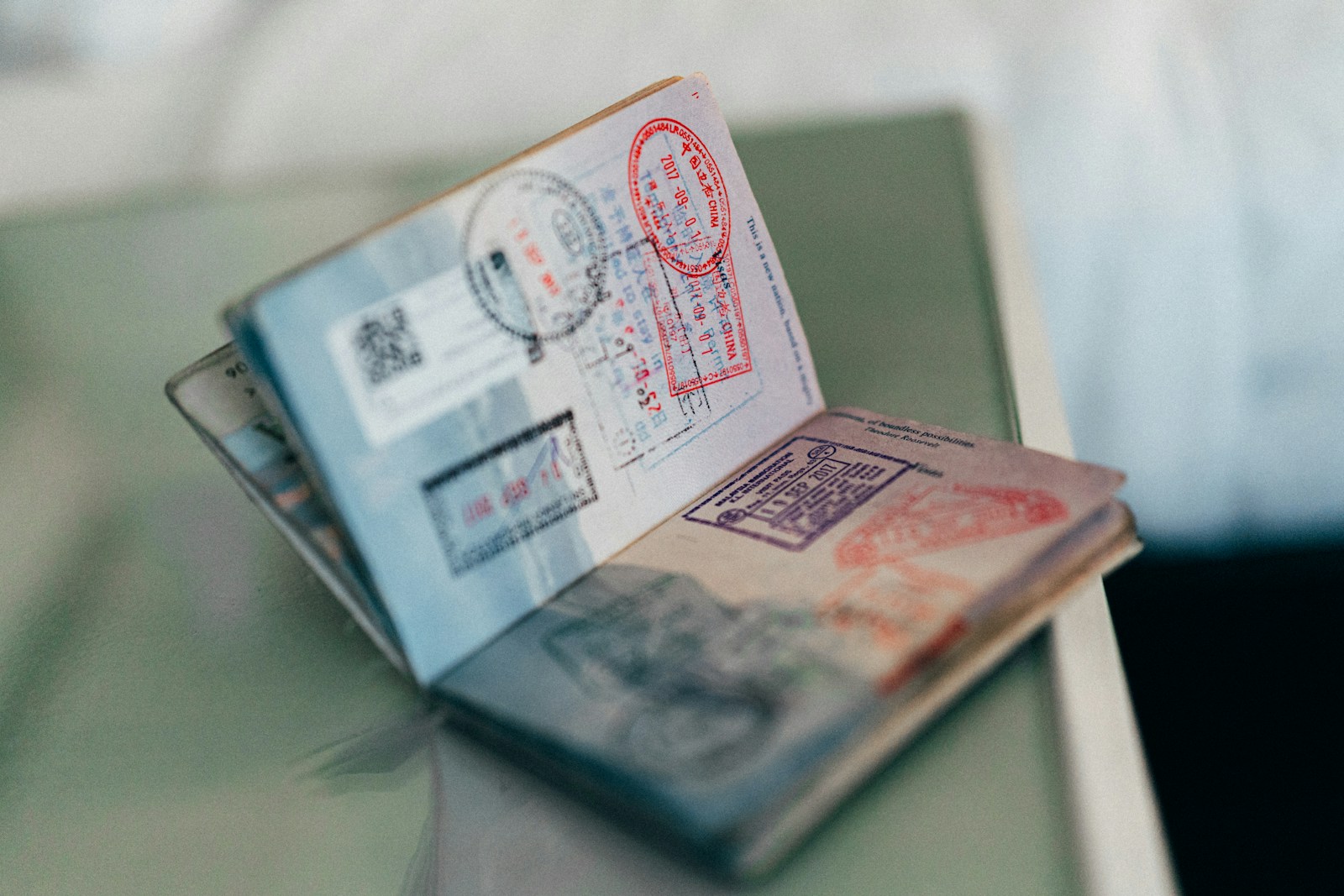
The 2027 Diversity Visa lottery feels like a high‑stakes raffle where the house writes the rules, the entry fee is free, and the hidden taxes come later; you risk months of paperwork, a possible embassy interrogation, and a bill that can eclipse a modest salary. Anyone who thinks “just click submit” is ignoring the fact that a single slip—like a mis‑spelled city or an outdated passport number—can erase a year’s worth of effort.
Which nations are still on the 2027 eligibility list?
The Department of State publishes a rotating roster of ineligible countries based on recent immigration numbers. For 2027, the list includes Bangladesh, Brazil, Canada, China (mainland), Dominican Republic, India, Mexico, Pakistan, the Philippines, United Kingdom, and Vietnam. Applicants from these nations must wait until the next cycle, even if they hold a second passport from an eligible country.
Eligibility hinges on regional ceilings: Africa gets 28 % of the 55 000 visas, Asia‑Pacific 28 %, Europe 28 %, and the Americas the remaining 16 %. Within each region, no single country may exceed 7 % of the total allocation. That cap explains why a country like Nigeria can still file, while a neighboring state with a larger recent immigrant flow gets blocked.
If you hold dual citizenship, the safer route is to submit under the passport of the country that appears on the eligible list and that does not approach the 7 % ceiling. Many hopefuls overlook this nuance and waste a lottery entry on a passport that will be automatically disqualified.
Why the odds are lower than the headline “1 in 100” suggests
The official success rate for the most recent lottery hovered between 1.5 % and 2 % overall, but the figure diverges sharply by region. African applicants historically see a 2 % hit rate, while Asian‑Pacific participants often face 1 % or less because of higher competition for the same quota. Europe’s average sits near 1.8 %, and the Americas linger around 1.2 %.
Those percentages translate into roughly 1,000 – 1,500 winners per country, assuming the nation stays under the 7 % ceiling. For a country that hits the ceiling, the lottery will truncate entries, pushing the effective odds down to about 0.5 %. The math is simple: 55 000 visas divided by the total number of entries, minus the ineligible pool, yields the real probability.
Don’t be fooled by “high‑chance” marketing emails that promise a 10 % win rate. Those claims ignore the regional caps and the fact that the lottery draws are blind—no amount of lobbying can move your number upward.
Which embassy interview tactics actually move the needle?
First, bring a clean copy of every document you uploaded to the DS‑260. The officer will flip through them faster than you can read the fine print, so a well‑organized folder can buy you a few extra seconds of calm. Second, prepare a concise narrative about why you intend to settle in the U.S.; a vague “I want a better life” triggers a follow‑up about ties to your home country, which can look like a red flag.
Third, avoid the common pitfall of mentioning any travel plans that suggest you’ll be a tourist first. The interview is about permanent residence, not a short‑term visit. If you slip in a vacation itinerary, the consular officer may suspect a fraudulently staged entry.
Finally, never volunteer information that isn’t on your paperwork. A stray comment about a side hustle you run on the weekends can be interpreted as an unauthorized employment intention, jeopardizing the entire case.
What the post‑lottery cost ladder really looks like
The Diversity Visa fee schedule is a moving target, but recent years have shown the following ranges (all amounts in U.S. dollars unless otherwise noted):
- DS‑260 filing: $330 – $350, payable online after the lottery win.
- Immigrant visa interview fee: $325, plus a biometric surcharge of $85 in a few jurisdictions.
- Medical examination: $200 – $500 depending on the provider and required vaccinations.
- USCIS I‑485 adjustment (if you adjust status inside the U.S. instead of consular processing): $1,140 plus an $85 biometric fee.
- Attorney or consultant services: $1,500 – $4,000, but beware of firms that charge a “guaranteed win” premium—no legal professional can promise that.
- Travel to the U.S. embassy: $150 – $400 for a round‑trip ticket, varying by departure city.
Add a buffer for courier fees, document translation, and potential passport renewal. In many cases, the total out‑of‑pocket expense lands between $2,500 and $5,500, not counting the indirect cost of taking time off work for the medical exam and interview.
If you’re eyeing a digital nomad visa as a backup, income thresholds are starkly higher. Portugal’s D7 requires a minimum monthly income of €760, while Estonia’s Digital Nomad Visa asks for €3,500 per month. Barbados’ 12‑month Welcome Stamp demands a yearly earnings proof of $50,000. Those programs demand proof of consistent cash flow, whereas the DV lottery only needs proof of education or work experience.
Practical action plan with realistic budgets
1. **Verify eligibility** – check the latest State Department list (the PDF is updated each January). If your primary passport is on the block list, secure a secondary one before the October entry window opens. 2. **Gather documentation** – high‑school diploma or two years of qualifying work experience, passport scans, and a recent photo that meets the 2‑inch square requirement. Set aside $150 for a professional photographer if you want to avoid the “photo rejected” trap that many first‑timers encounter. 3. **Submit the online entry** – the portal closes on November 7 at 23:59 UTC. No fee is required, but a stable internet connection is worth the $20‑$30 backup data plan if you’re in a region with spotty service. 4. **Track the status** – the Entrant Status Check opens on May 6. Bookmark the page; the system does not send email alerts, and many applicants miss their notification because they assumed a push notification would arrive. 5. **Prepare for the interview** – schedule the medical exam at least six weeks before your embassy appointment. Allocate $300‑$450 for the exam, including any required vaccines. 6. **Pay the fees** – use a credit card that offers purchase protection; the DS‑260 fee is non‑refundable, and a failed payment can freeze your case indefinitely. 7. **Consider a backup plan** – if you have a remote‑work contract paying over €4,000 monthly, start the digital nomad visa paperwork now; the processing time is typically 30‑45 days, giving you a safety net while the DV lottery outcome is pending.
What to double‑check before any payment leaves your account
- Confirm the URL ends with “state.gov” for the official entry portal; phishing sites mimic the design and harvest personal data.
- Verify the exact fee amount on the official USCIS fee schedule page; consultants often quote outdated numbers to inflate their service charge.
- Ensure your passport is valid for at least six months beyond the intended entry date; many applicants discover the expiration rule only after the interview, forcing a costly re‑issue.
- Review the embassy’s specific document checklist; a missing birth certificate translation can add a week‑long delay that jeopardizes the travel window.
- Cross‑reference the regional cap numbers with the most recent immigration statistics; a sudden surge in applications from a country can push it over the 7 % ceiling mid‑cycle, nullifying entries submitted earlier.
By treating the DV lottery as a structured project rather than a whimsical gamble, you sidestep the most common scams and keep the financial surprise factor to a minimum. The path is messy, but with the right facts in hand, the 2027 lottery remains a viable shortcut to a new life in the United States.
Keep reading
After Winning the DV Lottery: Expect ‑ in Fees and 3‑Month Wait
Learn the exact costs and timing from the moment you get the green light to the day you receive your passport stamp. Most guides skip the hidden medical fees and the interview’s real gate‑keeping tricks.
Which DV Region Offers the Highest Odds? 2024‑2026 Data Revealed
You’ll learn which geographic block actually maximizes your Diversity Visa chances and why most guides inflate those numbers. Most articles ignore per‑country caps, leaving applicants blindsided by false expectations.

Why Scams Target Free DV Lottery Applicants
Learn how to dodge the fake agencies that charge for a process that costs nothing. Most guides ignore the hidden fee traps and the fine print that turn a free entry into a $2,000 bill.